
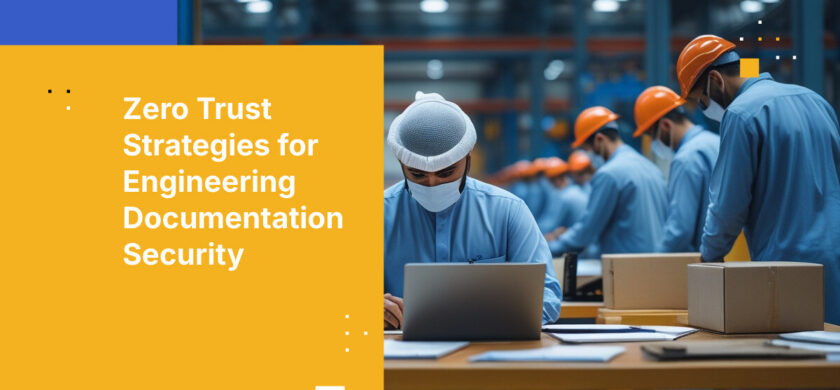
How Omani Manufacturing Firms Secure Engineering Documentation
Manufacturing firms across Oman manage extensive engineering documentation containing sensitive intellectual property, proprietary designs, and critical operational data. These organisations face mounting pressure to protect confidential information whilst maintaining collaboration with global partners, suppliers, and regulatory bodies. Security breaches targeting engineering documentation can expose trade secrets, compromise competitive advantage, and trigger significant regulatory compliance penalties.
Traditional file-sharing approaches and basic email encryption fail to provide the comprehensive protection, auditability, and access controls that sensitive engineering data requires. Manufacturing executives need integrated solutions that secure data throughout its lifecycle whilst enabling effective collaboration across distributed teams and external stakeholders.
This analysis examines how Omani manufacturing firms can implement enterprise-grade security controls for engineering documentation, establish robust governance frameworks, and maintain competitive advantage through comprehensive zero trust data protection strategies.
Executive Summary
Omani manufacturing firms require sophisticated security architectures to protect engineering documentation containing proprietary designs, manufacturing processes, and competitive intelligence. As Oman accelerates its industrial and digital transformation under Oman Vision 2040, these organisations operate in complex ecosystems involving global supply chains, international partnerships, and stringent regulatory environments. Compliance with Royal Decree No. 6/2022 (Oman’s Personal Data Protection Law) alongside cybersecurity frameworks established by the Ministry of Transport, Communications and Information Technology (MTCIT) and guidance from the Oman Computer Emergency Readiness Team (OCERT) demands rigorous data privacy protection and audit capabilities.
Modern manufacturing security strategies must address three critical requirements: securing intellectual property against industrial espionage, maintaining regulatory compliance across multiple jurisdictions, and enabling controlled collaboration with external stakeholders. Traditional approaches using basic encryption and standard file-sharing platforms struggle to meet these interconnected challenges whilst supporting operational flexibility.
Successful implementation requires integrated security platforms that provide zero trust access controls, comprehensive audit trails, and automated policy enforcement whilst directly incorporating existing manufacturing systems.
Key Takeaways
- Zero Trust for IP Protection. Engineering documentation requires zero trust architecture to safeguard intellectual property while supporting collaboration.
- Audit Trails for Compliance. Tamper-proof audit logs are essential to meet Omani regulatory requirements and demonstrate oversight of sensitive data.
- Controlled Supply Chain Sharing. Secure external access controls mitigate risks when collaborating with global partners and suppliers.
- Replace Legacy File Systems. Modern platforms with granular permissions and centralized auditing outperform traditional sharing tools.
Engineering Documentation Security Challenges in Manufacturing
Manufacturing firms handle extensive portfolios of sensitive documentation including technical specifications, product designs, manufacturing processes, and quality control procedures. This information represents significant intellectual property investments and competitive advantages requiring comprehensive protection against both external threats and internal risks.
The distributed nature of modern manufacturing creates additional complexity. Engineering teams collaborate across multiple facilities, time zones, and organisational boundaries. Design documents frequently move between internal departments, external suppliers, contracted manufacturers, and regulatory agencies. Each touchpoint represents a potential vulnerability that traditional security controls struggle to address adequately.
Regulatory requirements compound these challenges. Manufacturing firms must demonstrate comprehensive oversight of sensitive data whilst maintaining operational efficiency. Auditors expect detailed records of document access, modification history, and distribution patterns whilst manual tracking systems cannot provide the granularity and reliability that regulatory compliance demands.
Intellectual Property Protection Requirements
Engineering documentation contains trade secrets, proprietary manufacturing processes, and competitive intelligence that form the foundation of manufacturing competitive advantage. Unauthorised access enables competitors to reverse-engineer products, undercut pricing strategies, or accelerate competing development programmes. The financial impact extends beyond immediate losses to include long-term market position deterioration.
Manufacturing executives must implement security controls that protect against both sophisticated external attacks and insider threats. Technical specifications and design files require protection throughout their lifecycle, from initial creation through ongoing revision cycles to eventual archival. Each stage presents distinct security challenges requiring tailored protection strategies and comprehensive monitoring capabilities.
Global manufacturing operations create additional exposure risks. Engineering documentation frequently crosses international boundaries, moves through varying regulatory environments, and involves parties with different security capabilities and compliance requirements. Manufacturers need security architectures that maintain protection standards regardless of geographic location or external party involvement.
Regulatory Compliance and Audit Requirements
Manufacturing firms operate under multiple regulatory frameworks that mandate specific documentation handling, retention, and protection requirements. These obligations include detailed audit trails, access logging, and evidence of appropriate security controls. Compliance failures can trigger significant penalties, operational disruptions, and reputational damage extending beyond immediate financial costs.
Audit preparedness requires comprehensive documentation of security controls, access patterns, and incident response activities. Auditors evaluate not only the presence of security measures but also their effectiveness, consistency, and integration with broader security risk management frameworks.
International operations create additional complexity as manufacturers must navigate varying regulatory requirements across different jurisdictions. Documentation handling procedures satisfying one regulatory framework may not meet requirements in other regions. Unified security platforms help organisations maintain consistent protection standards whilst addressing jurisdiction-specific compliance obligations under Omani law and international standards.
Supply Chain Collaboration Security Risks
Modern manufacturing relies on extensive supply chain networks involving suppliers, contractors, and partners distributed across global markets. These relationships require controlled sharing of sensitive engineering documentation including specifications, quality requirements, and manufacturing instructions. Each external relationship represents a potential security exposure requiring careful management and ongoing oversight.
Supply chain security challenges extend beyond technical controls to include partner assessment, contractual obligations, and ongoing monitoring capabilities. Manufacturing firms must evaluate third-party risk management, establish appropriate sharing protocols, and maintain visibility into how shared documentation is handled throughout extended supply chains.
Dynamic manufacturing relationships create additional complexity. Partnerships evolve, contract terms change, and access requirements shift based on project phases and business developments. Security architectures must accommodate these changes whilst maintaining appropriate protection levels and comprehensive audit trails.
Third-Party Access Control Challenges
External partners require access to specific subsets of engineering documentation whilst remaining restricted from broader sensitive information repositories. This granular access control requirement exceeds basic file-sharing platform capabilities that typically provide binary permission models. Manufacturing firms need sophisticated RBAC that enforces principle-of-least-privilege whilst supporting collaborative workflows.
Partner access patterns vary significantly based on relationship types, project phases, and contractual obligations. Suppliers may require ongoing access to specifications and quality requirements, whilst contractors need temporary access to specific design elements. These varying requirements demand flexible security architectures that adapt to changing business relationships without compromising overall protection standards.
Monitoring third-party access presents additional challenges as manufacturing firms must maintain visibility into partner activities whilst respecting appropriate privacy boundaries. Security platforms must provide comprehensive audit capabilities that track external access patterns, document modifications, and potential security violations without creating excessive administrative overhead.
Cross-Border Data Protection Requirements
International manufacturing operations involve moving sensitive documentation across jurisdictions with varying data protection requirements and security standards. These cross-border flows must comply with Royal Decree No. 6/2022 and international regulations whilst maintaining operational efficiency and partner collaboration capabilities.
Regulatory frameworks increasingly mandate specific controls for cross-border data transfers including encryption requirements, audit obligations, and breach notification procedures. Manufacturing firms must implement security architectures that automatically enforce these requirements whilst providing the flexibility needed for global operations.
Different jurisdictions may impose conflicting requirements creating compliance challenges for multinational manufacturers. Security platforms must provide sufficient flexibility to address varying regulatory frameworks whilst maintaining consistent protection standards across global operations including audit capabilities and incident response procedures.
Legacy System Integration and Modernisation
Many manufacturing firms operate hybrid environments combining modern cloud-based systems with legacy infrastructure lacking contemporary security capabilities. This technological diversity creates integration challenges and potential security gaps requiring careful architectural planning and phased implementation strategies.
Legacy manufacturing systems often contain decades of valuable engineering documentation stored in formats and systems that predate current security standards. Modernisation efforts must preserve this institutional knowledge whilst implementing comprehensive protection controls and avoiding operational disruptions.
Integration requirements extend beyond technical compatibility to include workflow alignment, user training, and change management processes. Manufacturing teams must adopt new security practices whilst maintaining productivity and collaboration effectiveness.
Data Migration Security Considerations
Moving sensitive engineering documentation from legacy systems to modern security platforms requires comprehensive planning to prevent data exposure during transition periods. Manufacturing firms must maintain protection standards throughout migration processes whilst ensuring data integrity and accessibility for ongoing operations.
Migration strategies must address varying data formats, metadata preservation, and access control mapping from legacy systems to modern platforms. This process often reveals documentation lacking appropriate classification or protection controls, creating opportunities to implement comprehensive data governance frameworks alongside modernisation efforts.
Manufacturing documentation repository scale can make migration projects complex and time-intensive. Phased approaches help organisations manage risk whilst maintaining operational continuity, though hybrid environments during transition periods require particular attention to prevent security gaps between old and new systems.
Workflow Integration Requirements
Modern security platforms must integrate directly with existing manufacturing workflows including product lifecycle management systems, quality control processes, and regulatory submission procedures. This integration requirement extends beyond technical compatibility to include user experience considerations and process alignment.
Manufacturing teams operate under tight deadlines and complex coordination requirements that cannot accommodate security measures creating operational friction. Successful implementations provide enhanced security capabilities whilst improving rather than complicating existing workflows, requiring careful platform selection and implementation planning.
Integration with manufacturing-specific systems including computer-aided design tools, manufacturing execution systems, and quality management platforms requires specialised capabilities whilst providing enterprise-grade protection and audit capabilities that satisfy regulatory requirements.
Conclusion
Protecting engineering documentation in Oman’s evolving industrial landscape requires manufacturing enterprises to look beyond perimeter defences and legacy file-sharing tools. By deploying zero trust architectures, enforcing strict third-party access controls, and establishing comprehensive audit trails aligned with Royal Decree No. 6/2022 and OCERT guidelines, Omani manufacturers can safeguard their core intellectual property against espionage and operational risk. Implementing robust, data-aware security infrastructure provides the foundation necessary to foster global supply chain collaboration whilst advancing the industrial goals of Oman Vision 2040.
Kiteworks Private Data Network
Manufacturing firms require comprehensive security architectures that protect sensitive engineering documentation throughout its lifecycle whilst enabling controlled collaboration and regulatory compliance. Traditional approaches using basic encryption and standard file-sharing platforms struggle to address the sophisticated threats and complex operational requirements that characterise modern manufacturing environments.
The Kiteworks Private Data Network provides manufacturing organisations with zero trust security controls, comprehensive audit capabilities, and unified integration with existing systems. The platform utilises FIPS 140-3 validated encryption modules, enforces modern TLS 1.3 protocol standards for data in transit, and delivers a FedRAMP High-ready security architecture to deliver robust protection for critical engineering assets. Manufacturing executives can deploy Kiteworks for manufacturing to establish tamper-proof audit trails, enforce granular access controls, and automate policy compliance across global operations. The platform’s data-aware architecture ensures that sensitive engineering documentation receives appropriate protection regardless of location, user, or collaboration requirements whilst providing the visibility and control that contemporary manufacturing demands.
Omani manufacturing security leaders seeking to protect intellectual property and streamline compliance can schedule a custom demo of the Kiteworks Private Data Network.
Frequently Asked Questions
Engineering documentation contains intellectual property that requires data-aware protection to prevent unauthorized access while enabling legitimate collaboration. Zero trust controls ensure sensitive designs and processes remain secure throughout their lifecycle across distributed teams and external stakeholders.
Firms must comply with Royal Decree No. 6/2022 (Personal Data Protection Law) along with MTCIT and OCERT frameworks. These require tamper-proof audit trails, detailed access logging, and evidence of security controls to avoid penalties and demonstrate oversight across global operations.
External partners require controlled access to specific documents, introducing exposure risks that demand granular RBAC, third-party risk management, and continuous monitoring. Traditional tools lack the visibility and least-privilege enforcement needed for dynamic international relationships.
Legacy infrastructure often lacks contemporary controls and stores valuable data in outdated formats. Migration must preserve institutional knowledge, maintain protection during transition, and integrate with existing workflows like PLM and CAD systems without disrupting operations.